How to Make Friends After Moving to Los Angeles: A Complete Guide for Transplants
Short answer: It’s hard to make friends after moving to Los Angeles because daily life here limits the chance to repeat. Long commutes, busy schedules, and a constantly shifting population make it harder for friendships to grow naturally. The most reliable solution is joining a consistent group activity, like a recreational sports league, where you see the same people weekly, and a connection develops over time.
Los Angeles is filled with energy and opportunity, yet many newcomers feel disconnected once the initial excitement fades. You can stay busy, explore new neighborhoods, and still feel like you are on the outside looking in. This guide explains why moving to Los Angeles and making friends can feel challenging at first, what most transplants try that rarely works long-term, and what consistently helps adults build a real social circle without awkward pressure.
Why does making friends after moving to Los Angeles feel difficult?
Los Angeles looks like a social city from the outside. There are events every weekend, new restaurants opening constantly, and fitness studios packed with people. But proximity does not automatically create friendship.
Friendship depends on repeated interaction. You need to see the same people often enough for familiarity to build. You need shared experiences that go beyond a single conversation. Research shows that it takes about 50 hours of shared time to move from an acquaintance to a casual friend, and even more time to build close relationships. You can read more about that research here:
When interactions happen once and never repeat, they rarely develop into something meaningful. That is one of the biggest reasons people struggle with how to make friends after moving.
How does daily life in LA limit social repetition?
Daily life in Los Angeles is built around movement and scheduling. Most people drive to work, drive to social plans, and then drive home. Unlike walkable cities, there are fewer spontaneous encounters with the same people throughout the week.
Long commutes also drain time and energy. Extended commute times are linked to higher stress levels and reduced well-being. When energy is low, social plans are often the first thing people cancel. This routine makes it harder for connections to grow naturally. Without repetition, relationships struggle to gain momentum.

Why does the transplant culture affect connection?
Los Angeles attracts ambitious people from all over the country and the world. Many arrive focused on career goals, creative projects, or new opportunities. Living situations change. Schedules shift. Some people stay long term, while others leave after a few years.
Because of this constant movement, some adults approach new friendships carefully. They have seen connections fade when someone relocates or changes direction. That does not mean people are closed off. It simply means trust often builds slowly. If you are new to LA, meeting people can feel confusing because everyone appears busy. In reality, many of them are also looking for genuine connections.
What mistakes do most newcomers make when trying to meet people?
Most transplants rely on high-effort but low-consistency strategies:
- They try social apps.
- They attend one-time networking events.
- They go to large gatherings hoping to meet someone they instantly click with.
These approaches are not wrong, but they rarely create repetition. Friendship apps can feel like speed dating. Networking events often blend professional and social goals, which can make conversations feel guarded. Big social events make it easy to have a great conversation and never see that person again.
Without a built-in follow-up, connections fade before they develop.
What actually works when making friends in a new city?
What works is structure. When you are making friends in a new city, look for environments that give you:
- Consistent weekly interaction
- Shared goals or activities
- Low-pressure conversation
- Natural opportunities to see the same people again
This removes the pressure of instant chemistry. Instead of forcing a connection, you allow it to grow through familiarity.
Why are recreational sports leagues so effective for transplants?
Recreational sports leagues combine repetition, shared purpose, and social time in one place. That combination is powerful.
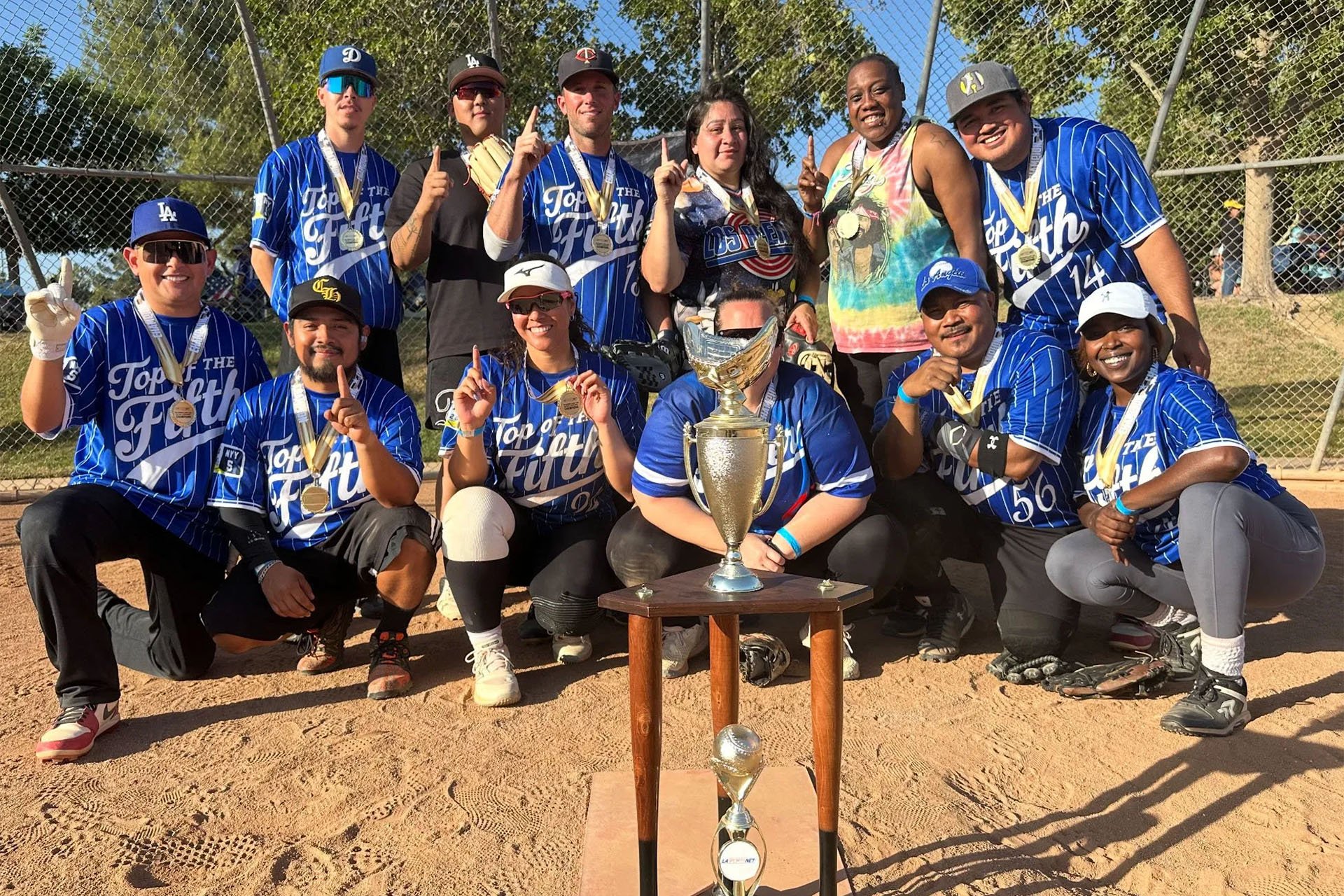
When you join a league, you are placed on a team immediately. You see the same teammates every week. You work toward common goals, whether that is improving, competing, or just having fun. Conversation flows naturally because the activity gives you something to talk about.
Leagues also create social time before and after games. Those informal moments often lead to stronger connections.
For many, navigating moving to Los Angeles and making friends, joining a league becomes the turning point. Instead of wondering how to make friends after moving, they step into an environment designed for connection.
Is this still effective if you are not athletic or outgoing?
Yes, and that is important to understand. Most recreational leagues welcome all skill levels. Many participants have not played in years. Some are trying something completely new. Skill level matters far less than participation.
Shared learning builds comfort quickly. When people practice together, laugh at mistakes, and improve as a group, trust develops naturally. You do not need to dominate the game or lead every conversation. Simply showing up consistently builds familiarity.
How long does it take to build real friendships this way?
Because leagues meet weekly, they accelerate familiarity. Instead of seeing someone once a month, you see them every week. Over time, those hours add up.
As familiarity grows, group chats often form. Teammates make plans outside of games. Invitations begin to overlap. What started as a scheduled activity gradually becomes a social circle.
Many adults feel more socially grounded within one season than they did in months of attending random events.
What if you feel shy or socially out of practice?
Starting over can make anyone feel uncertain. You might assume everyone else already has established friend groups, which can make it harder to initiate conversation. Structured environments reduce that pressure. When you are part of a team, you already share something in common. You are not expected to be the most outgoing person in the room. You are simply participating.
Confidence tends to grow through action. The more you show up, the more natural the interaction feels.
How do you turn teammates into lasting friends?
Connection deepens when you extend interaction beyond the original activity. After a few weeks, you might suggest grabbing food after a game or organizing a small gathering. Because you already have shared experiences, these invitations feel natural rather than forced. Over time, shared routines turn into shared memories. That is what makes friendships last.
Final takeaway
If you are wondering how to make friends after moving to Los Angeles, the challenge is rarely personal. The city’s structure makes repetition harder, and repetition is what friendships need.
The most reliable solution is to choose an environment that creates that repetition for you. A recreational sports league provides consistency, shared purpose, and regular interaction without the pressure of forced small talk. LASportsNet was built for adults who want a real community, not just another event to attend.If you are ready to move beyond the transplant struggle and build a genuine social circle, contact LASportsNet today and join a league that fits your schedule. Showing up consistently can change how this city feels.
Still have questions? Check out our frequently asked questions, or head to a sports page and read up!