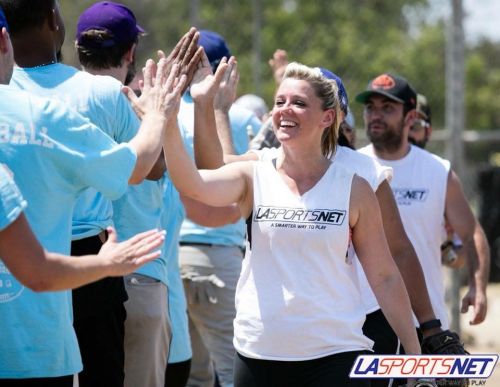
Hydration Tips Adult Athletes Can Use During Summer Sports Leagues
Short answer: The best hydration tips adult athletes can follow during summer sports leagues are to start drinking before they leave for the field, keep sipping between plays, add electrolytes when the game is long or extra sweaty, and rehydrate after the final whistle. In Los Angeles, dry air, beach-to-Valley temperature swings, turf heat, and post-work traffic all make hydration part of showing up ready to play.
Hydration for summer sports means giving your body enough fluid and electrolytes before, during, and after activity so you can sweat, move, recover, and stay comfortable. For adult athletes in Los Angeles, hydration is not just a “drink more water” reminder. It is the difference between feeling ready for a Santa Monica beach game, dragging through a warm Valley matchup, or arriving late from the 405 already behind on fluids. These summer sports hydration tips are built for real league nights, real traffic, and real LA heat.
Why does hydration matter for adult athletes in summer leagues?
Adult league sports are supposed to feel fun, social, and competitive in the best way. But when you show up low on fluids, a normal game can feel like a grind before halftime.
Hydration affects energy, reaction time, focus, muscle function, and how well your body handles heat. That matters whether you are sprinting through a soccer match, digging through a long volleyball rally, or trying to keep your legs fresh in the second half of a summer league game.
Most adult athletes are not arriving after a perfect pre-game routine. They are coming from work, sitting in traffic, parking near a busy field, and jumping into warmups fast. Sports medicine guidance also supports starting activity already hydrated instead of trying to catch up once exercise begins. For LA league players, that means hydration starts before the first whistle, not at halftime.
How much water should adult athletes drink before a game?
The best pre-game hydration move in LA is to start before the commute. If your game is after work, treat the drive like part of your warmup. A bottle in the car, at your desk, or in your bag can make a real difference when the 10, 101, 110, or 405 turns a quick trip into a slow crawl through warm, dry air.
Do not wait until you are parking near the field to start chugging water. That can leave you feeling heavy or uncomfortable right when you need to move.
A better rhythm is to drink steadily during the afternoon, then take smaller sips before warmups. If you are heading from an office in Hollywood, Glendale, Century City, Santa Monica, or Downtown LA, think of hydration as something that starts before you close your laptop, not after you lace up.
What should players drink during hot LA league nights?
Water should be your main drink for most league games. Bring a full bottle, keep it where you can reach it, and sip during natural breaks instead of waiting for a timeout or substitution.
LA league nights can still hold heat, especially around turf, pavement, and inland parks. A game in West LA or Santa Monica may cool off with a breeze, while a game in Glendale, Pasadena, Van Nuys, or Encino can stay warm well into the evening. If the field feels hot through your shoes during warmups, your body is already working harder than it would on a cooler coastal night.
For longer games, back-to-back matches, or sports with constant movement like basketball or flag football, an electrolyte drink can help replace what you lose through sweat. Bring water first, then add electrolytes when the heat, sweat, or game length calls for it.
Are electrolytes necessary for summer sports hydration?
Electrolytes are not mandatory for every player or every game. But they become more useful when you are sweating hard, playing longer than usual, or competing in hotter inland areas where the air feels dry and the field gives heat back at ground level.
Electrolytes like sodium and potassium help the body manage fluid balance and muscle function. The American College of Sports Medicine notes that fluid replacement helps support hydration, safety, and performance during physical activity, and its exercise fluid replacement guidance includes sodium and potassium as part of some sports drink formulas for longer or sweat-heavy activity.
Think of electrolytes as a tool, not a magic fix. If you show up dehydrated after a long workday, an electrolyte packet alone will not save your game. But paired with steady water, a decent pre-game snack, and a bottle for the ride home, it can help you feel better through the full season.
How does Los Angeles weather affect hydration?
Los Angeles adds its own twist to summer hydration. The air is often dry, which means sweat can evaporate quickly. You may be losing fluid even if you do not feel soaked.
The city also has real microclimates. A breezy game near Santa Monica or West LA can feel completely different from a warm evening in Van Nuys, Encino, Glendale, or Pasadena. Inland fields often hold heat longer, and synthetic turf can run hotter at the surface than the surrounding air because it absorbs and radiates heat back up at players.
That is why LA players should not use one hydration plan for every game. Coastal games can trick you because the breeze feels comfortable. Valley and foothill games can trick you because the dry air evaporates sweat fast. Turf games can feel hotter from the ground up before you even realize how much you are sweating. Either way, your body is still losing fluid, so bring extra water when you are playing inland, on turf, or after a long workday commute.
What are the signs you are not hydrated enough?
Dehydration does not always announce itself with extreme thirst. In a summer league game, it may show up as a sloppy pass, a slower sprint, a headache, or that “why do my legs feel heavy already?” feeling.
Watch for signs like:
- Dry mouth before warmups even start
- Headache after sitting in traffic or during the first half
- Dizziness, lightheadedness, or feeling off-balance
- Tight calves, muscle cramps, or heavy legs on turf
- Unusual fatigue early in the game
- Dark yellow urine before or after playing
- Feeling overheated even during normal effort
If you notice these signs, slow down, get water, and take a real break. If symptoms feel serious, do not try to tough it out for a recreational league game. The win is getting home safe and playing again next week.
What should players eat to support hydration?
Food matters because hydration is not only about what is in your water bottle. A good pre-game snack or meal gives your body fluid, salt, carbohydrates, and minerals it can use during play.
For LA league nights, keep it practical. If you are coming straight from work in Hollywood, Glendale, Century City, Santa Monica, or Downtown LA, skip the heavy last-minute drive-thru meal and choose something that will not sit like a brick during warmups. Pre-sliced fruit from a neighborhood market, a smoothie, a rice bowl, a sandwich, yogurt, or a simple salty snack can all work better than showing up on an empty stomach.
Water-rich foods like watermelon, oranges, cucumbers, and berries are easy summer options, especially if you are grabbing something before heading to the field. The bigger point is preparation: eat something that sits well, drink steadily, and do not test a brand-new snack five minutes before kickoff.

How can teams make hydration easier during league play?
Hydration gets easier when the whole team treats it like part of the game plan. Nobody wants to be the teammate asking for water halfway through a hot match with an empty bottle in the car.
Teams can make summer league nights easier by:
- Naming an inland-game cooler captain for Valley, Glendale, or Pasadena nights
- Packing extra ice water for turf fields and late-arriving players
- Keeping a few damp towels on the bench when the field is radiating heat
- Sending the water reminder before everyone starts driving across LA
- Planning more water for turf, beach, or back-to-back games
- Encouraging everyone to drink after the game, not just before it
This fits the way LASportsNet leagues are meant to feel: organized, social, active, and fun. If half the team is arriving from different sides of LA, a little planning keeps everyone from starting the game behind. Bring the cooler, share the reminder, and keep the good vibes going from first whistle to post-game hangout.
What hydration mistakes should adult athletes avoid?
The biggest mistake is treating hydration like something you can fix at the field. If you spent the whole day drinking coffee, skipped lunch, sat in traffic, and then sprinted into warmups, your body is already behind.
Another mistake is assuming evening games are automatically cooler. In LA, pavement, turf, and inland parks can hold heat even after the sun starts dropping. Players also forget that alcohol the night before, a long workday, or a salty takeout lunch can change how they feel during a game.
Do not make hydration complicated, but do not ignore it either. Bring water, drink before you feel desperate, and keep another bottle for the ride home through Santa Monica, West LA, Hollywood, Glendale, Pasadena, or the Valley. The worst hydration plan is hoping the field has a fountain and finding out it does not.
Why does good hydration make summer leagues more fun?
Hydration is not just about avoiding cramps. It helps you enjoy the reason you joined a summer league in the first place.
When you feel better, you move better. You can make the extra run in West LA, stay sharp during a late Valley game, and still have energy for the social part after the final whistle. That matters whether you are trying pickleball, joining a group through LASportsNet Running, or getting back into a sport you have not played since college.
Summer leagues are about staying active, meeting people, and adding something fun to the week. Good hydration helps you show up ready for all of it instead of spending the second half counting down to the next water break.
Final takeaway
The best summer sports hydration tips are simple: start before you leave, bring more water than you think you need, use electrolytes when the heat or sweat level calls for it, and keep hydrating after the game.
For adult athletes in Los Angeles, hydration matters because the city brings real game-day variables: dry summer air, coastal breezes, hot inland fields, turf heat, evening traffic, and outdoor leagues across different neighborhoods.
If you want a league that keeps adult sports fun, organized, and social, explore LASportsNet’s sports options or contact LASportsNet to find the right fit. A better summer season starts with showing up ready to play.