
Pickleball: The Fastest Growing Sport in Los Angeles
Wondering why pickleball has exploded in popularity and how you can jump into a game? This in-depth guide explains everything — from the basic rules to where to find the best pickleball adult leagues. It also provides plenty of tips for beginners who want to improve quickly.
Why Is Pickleball Suddenly Everywhere?
Pickleball blends the most entertaining parts of tennis, badminton, and ping-pong into one easy-to-learn sport. A smaller court, lighter paddles, and a plastic ball make rallies longer and more engaging, even for people who haven’t played racquet sports before. That accessibility, paired with a huge social element, has turned pickleball into a phenomenon.
Key reasons for the surge
- Low learning curve – You can pick up the basics in one session.
- All-ages appeal – Kids, young adults, and retirees play side by side.
- Short games – Matches finish quickly, letting you squeeze in exercise on a busy day.
- Community vibe – Courts are often packed with players rotating in, making it easy to meet new people.
Most newcomers quickly move from casual open play to organized games. That shift has led to a massive demand for pickleball adult leagues, where players can track progress, enjoy regular competition, and form lasting friendships.
What Are the Basic Rules Beginners Should Know?
Before you join a league, you’ll want to understand the foundational rules. Here’s a concise overview that answers the most common questions:
Court and Equipment Essentials
- Court size – Roughly one-third of a tennis court. The smaller footprint means less sprinting and more control.
- Paddle – Solid and lightweight, usually made of composite materials.
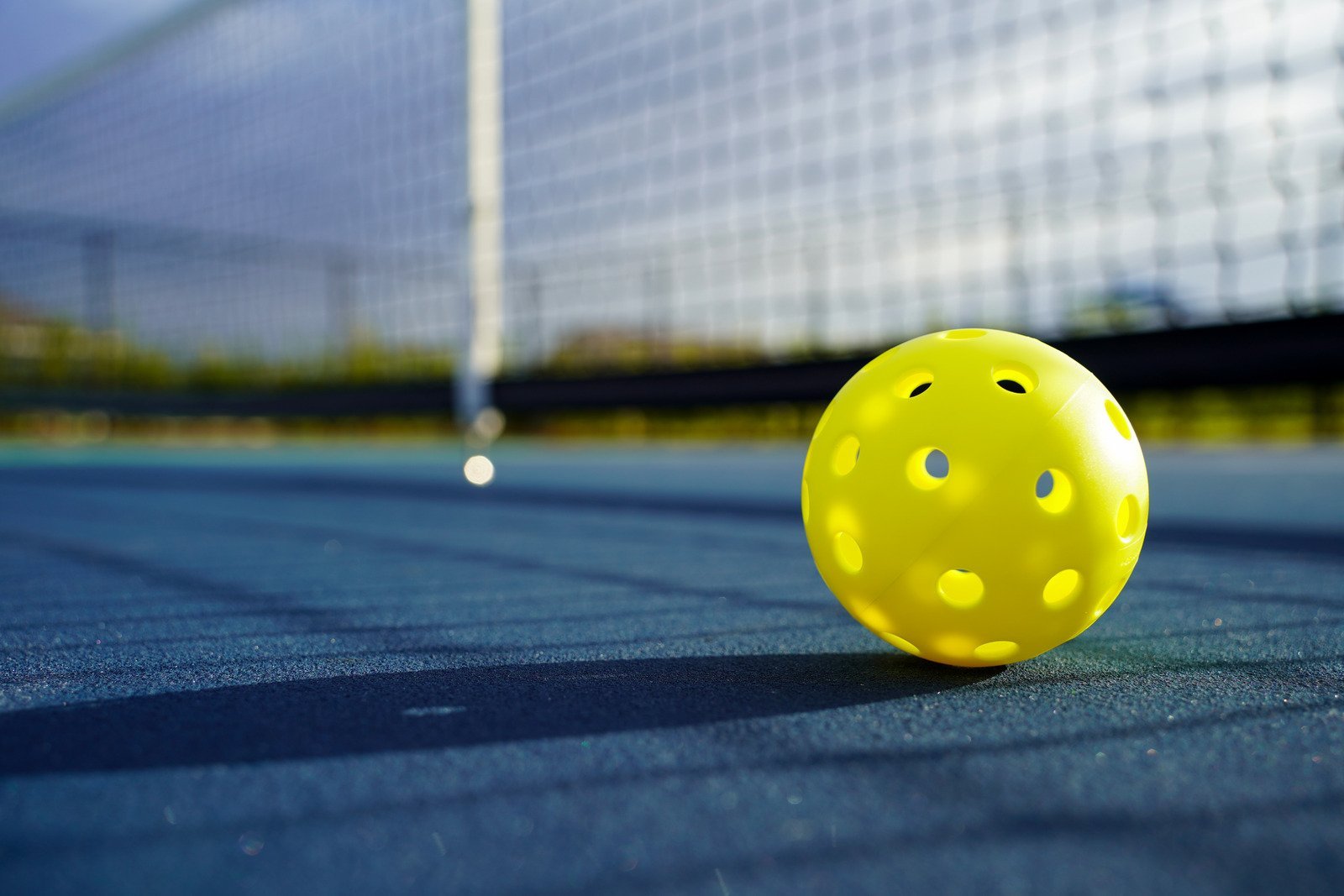
- Ball – A perforated plastic ball that travels slower than a tennis ball, making rallies easier to extend.
Serving and Scoring
- Serves are made underhand, contacting the ball below waist level.
- Games typically play to 11 points, win by two. Only the serving team can score.
- After every point scored, partners switch sides, adding a strategic layer.
The Kitchen (Non-Volley Zone)
- A 7-foot area on each side of the net where volleys are not allowed.
- Players must let the ball bounce before striking it while standing inside this zone.
Master these fundamentals and you’ll feel comfortable stepping onto any court.
How Do You Find the Right Pickleball Adult Leagues?
The surge in interest has sparked an equally rapid growth in places to play. People ask this daily: “How can I find the best pickleball adult leagues near me?” Here’s a quick checklist:
- Skill-based divisions – Look for leagues that separate players by rating or experience so matches stay competitive.
- Social focus – Some leagues lean into post-game hangouts, mixers, or even theme nights.
- Flexible scheduling – Busy professionals benefit from leagues that offer multiple session times per week.
- Official rule set – Reputable leagues follow USA Pickleball guidelines, ensuring universal rules and fair play.
- Progress tracking – Higher-quality leagues keep digital score sheets, offering players season rankings and detailed stats.
By matching these factors with your goals, you’ll land in a league that motivates you to play regularly.
Beyond the Basics: How to Improve Quickly
Focus on Paddle Control First
Many beginners try to muscle the ball like a tennis forehand. Instead, keep a relaxed grip (imagine holding a tube of toothpaste without squeezing any out) and focus on a compact swing. Paddle control allows you to place dinks and drop shots that set up winning volleys later.
Master the Soft Game
Winning points isn’t always about power. The “soft game” means dinking gently over the net, creating an angle that forces your opponent to pop the ball up. Practicing consistent, low dinks can help you control rallies and set up easy put-aways.
Develop Court Awareness
Use peripheral vision to track both opponents at the same time. Anticipating where they’ll move allows you to place shots in open space — an essential skill as you climb divisions in pickleball adult leagues.
Drill Over Play (At Least Sometimes)
Open play is fun, but drilling specific shots accelerates progress. Simple two-person drills, like third-shot drops or rapid-fire volleys, build muscle memory faster than casual games alone.
Key Strategies for Doubles Success
Even though singles pickleball exists, most organized leagues focus on doubles. Here’s how to stand out:
Communicate Constantly
Call “mine” or “yours” on every shot. Clear communication prevents confusion and creates a unified front at the net.
Stack or Switch Positions
Advanced teams use a stacking formation, positioning both players on one side during the serve to keep dominant forehands in the middle. Learning basic stacking tactics can instantly upgrade your teamwork.
Aim for the Opponent’s Backhand
Backhand shots are usually weaker. If your rivals are right-handed, target the left side of their body whenever possible to draw errors.
Fitness Benefits That Keep Players Hooked
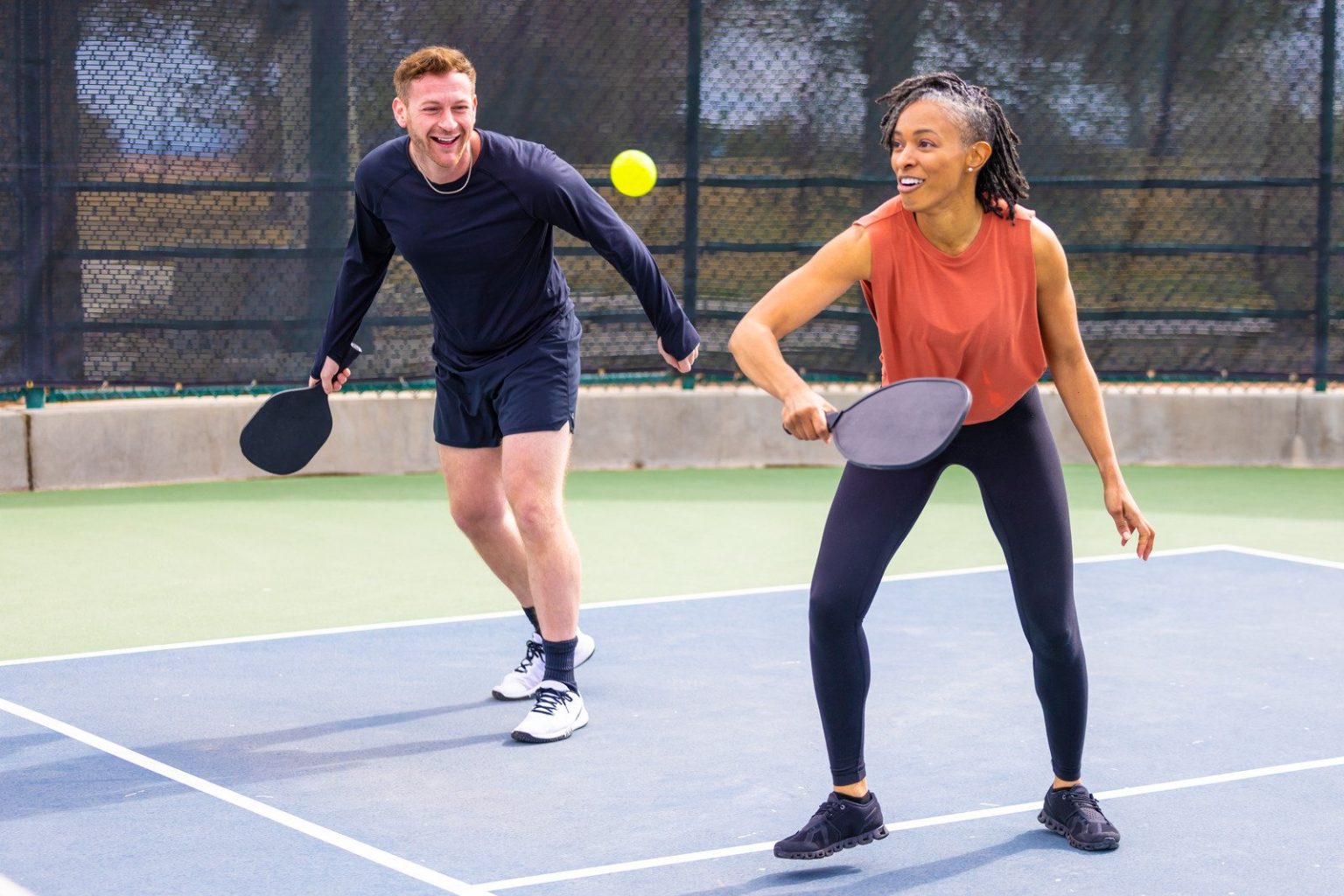
- Cardio without harsh impact – Short, quick bursts raise your heart rate, but the small court limits pounding on joints.
- Agility and reflexes – Quick lateral movements improve balance and coordination.
- Mental sharpness – Split-second decisions keep your brain engaged and nimble.
- Stress relief – The combination of social interaction and physical activity boosts mood and reduces daily stress.
It’s rare to find a sport that checks all those boxes while remaining beginner-friendly.
Common Myths About Pickleball
Myth: You need experience with racquet sports to be good.
Truth: Plenty of first-time players with no tennis or badminton background pick up the game and advance quickly.
Myth: It’s just for older adults.
Truth: Pro tours now feature athletes in their 20s and 30s. Most adult sports leagues in Los Angeles include players ranging from college age to retirees sharing the same court.
Myth: You need expensive gear to start.
Truth: Entry-level paddles cost less than many running shoes, and most recreational courts are free or low-cost to reserve.
How to Choose Your First Paddle
With hundreds of paddle options, narrowing it down can feel overwhelming. For beginners, weight and grip size matter more than fancy core materials.
- Weight – A mid-weight paddle (7.5–8.2 oz) balances power and control.
- Grip size – Match grip circumference to hand size; a grip too big limits wrist movement, too small reduces stability.
- Surface material – Composite or graphite surfaces give reliable spin and feel.
As your skills grow, you can experiment with shapes, edge guards, or thermoformed tech to fine-tune performance.
Injury Prevention Tips
Even though pickleball is lower impact than some sports, strains happen. Follow these guidelines:
- Warm up with dynamic stretches targeting calves, hamstrings, and shoulders.
- Stay hydrated—long rallies and doubleheaders can deplete fluids quickly.
- Wear supportive shoes designed for lateral movement to reduce ankle rolls.
- Take breaks between games, especially if courts are hot or humid.
Listen to your body. A day’s rest is better than weeks recovering from an avoidable injury.
Etiquette and Sportsmanship
Pickleball’s culture leans heavily on respect and inclusion. Keep these unwritten rules in mind:
- Call out the score loudly before every serve.
- Acknowledge net cords (lucky shots) with a paddle wave or verbal “sorry.”
- Offer a quick “good rally” or “nice shot” to foster positive vibes.
- Exit the court promptly after your match if others are waiting.
Good etiquette not only earns you respect, but it also makes games run smoothly and keeps leagues fun for everyone.
How to Transition from Casual Play to League Competition
- Find a rating – Many leagues use a self-rating scale (often 2.0–5.0). Play a few games and ask experienced players for feedback.
- Join an open ladder – Ladders let you play similarly rated opponents and gain match experience.
- Commit to a season – Once you’re comfortable, register for a pickleball adult league season.
- Track progress – Use apps or league portals that store your win-loss record and game stats.
- Set skill goals – Maybe you want to improve your third-shot drop accuracy or reduce unforced errors by 20 percent—specific goals lead to measurable results.
The Future of Pickleball Adult Leagues
With new courts popping up nationwide, league organizers are investing in tech to enhance the player experience:
- Digital stat tracking – View shot efficiency, serve percentages, and rally lengths.
- Player matchmaking – Algorithms can pair you with opponents of similar skill for balanced games.
- Live-streamed matches – Friends can watch from anywhere, boosting community engagement.
These innovations make joining a league more rewarding and help players improve faster through data-driven feedback.
Final Takeaway: Why You Should Give Pickleball a Shot
The sport’s meteoric rise is proof that people crave accessible, social, and fun ways to stay active. If you’re curious about joining a pickleball adult league, now is the perfect time. You’ll learn quickly, meet new faces, and enjoy a full-body workout—all during a single hour on the court.
LASportsNet has plenty of adult sports leagues in Los Angeles. So, contact us and find a time and location that works best for you!


