

How Long Does It Take to Get in Shape Playing Sports?
Short answer: Most adults begin noticing fitness improvements within a few weeks of consistent recreational sports participation. Increased energy, improved endurance, and stronger fitness habits often appear before major physical changes become noticeable. The timeline varies based on starting fitness level, sport selection, participation frequency, and overall lifestyle.
Many adults searching for ways to get in shape playing sports want to know how long it takes to see results. Traditional workout plans often promise quick transformations, but many people find them difficult to maintain long-term.
That’s one reason more adults are exploring ways to get in shape by playing sports instead of relying entirely on gym routines. Recreational leagues combine physical activity with community, accountability, and enjoyment, making it easier to stay consistent over time.
At LASportsNet, we’ve seen firsthand how recreational sports help people create sustainable fitness habits. Instead of focusing only on workouts, players become part of a community that encourages them to stay active week after week. For many adults throughout Los Angeles, that consistency becomes the key to long-term progress.
The good news is that getting in shape doesn’t require perfection. Often, it starts with finding an activity you genuinely enjoy and people you enjoy spending time with.
Can You Get in Shape by Playing Sports?
Yes. Recreational sports can absolutely help adults improve their fitness while creating healthy habits that are easier to maintain over time.
The phrase “getting in shape” means different things to different people. For some, it means having more energy throughout the day. For others, it means improving endurance, becoming more active, or feeling more comfortable participating in physical activities. Recreational sports support all of those goals.
Unlike highly structured fitness programs, recreational leagues encourage movement through enjoyable experiences. Players run, change direction, react to game situations, and stay engaged throughout league play. The focus remains on participation, teamwork, and fun, but physical activity naturally becomes part of the experience.
Another advantage is consistency. Many adults find it easier to get in shape by playing sports because sports create reasons to keep showing up. Teammates expect participation, schedules create structure, and games provide something to look forward to each week.
Whether someone joins a soccer team, volleyball league, basketball season, or flag football division, the result is often the same: more movement and a more active lifestyle. If you’re looking for a fun way to stay active while meeting new people, exploring adult soccer leagues can be a great first step.
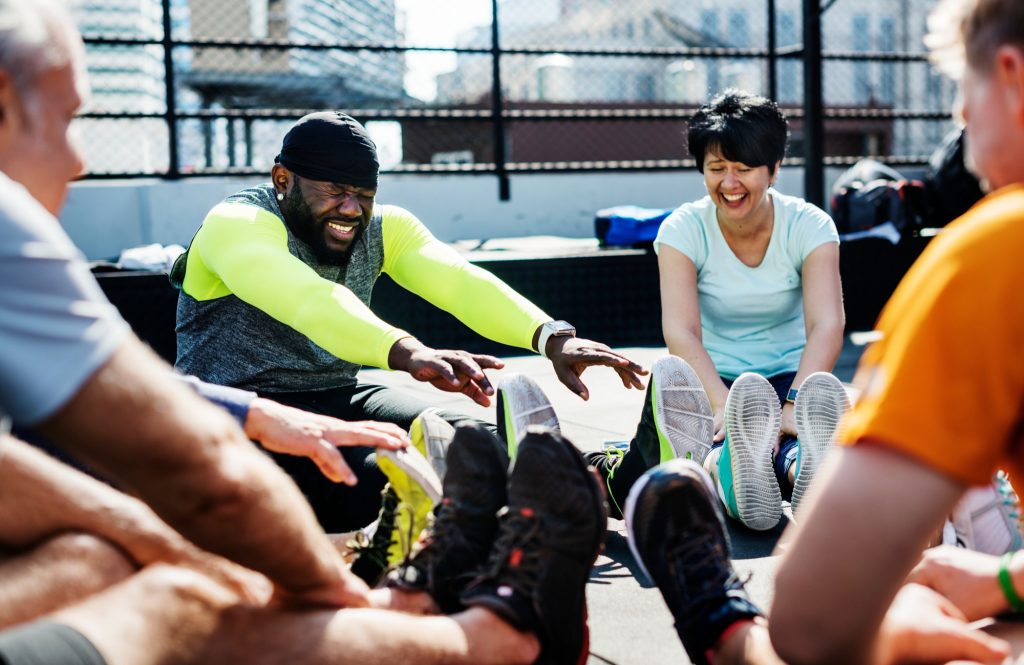
How Long Does It Take to Notice Fitness Improvements?
Based on observations across our Southern California divisions, most adults begin noticing small fitness improvements within the first 3 to 4 weeks of consistent participation.
However, the exact sports fitness results timeline varies from person to person. Factors such as current activity level, participation frequency, recovery habits, and sport selection all influence how quickly improvements become noticeable.
The First Few Weeks: For many participants, the earliest changes are not physical transformations. Instead, people often notice increased energy, a better mood, improved movement confidence, and greater comfort being active. The biggest victory during this stage is consistency; simply showing up regularly creates internal momentum that supports long-term progress.
During Your First Season: As participation continues over an 8-week schedule, many adults notice substantial improvements in endurance and overall comfort during games. Activities that initially felt challenging begin to feel manageable.
Players find themselves moving more confidently, recovering more easily between halves, and feeling more engaged throughout competition. These changes make recreational sports even more enjoyable, creating additional motivation to stay active.
Long-Term Participation: Long-term participation is where many adults experience the greatest benefits. Instead of focusing on short-term outcomes, recreational sports encourage sustainable habits. Players continue participating because they enjoy the experience, the friendships, and the community.
Over time, that consistency becomes one of the most valuable fitness tools available. Harvard Health notes that staying physically active on a regular basis can support long-term health and fitness, making recreational sports a practical way to stay engaged with movement throughout the week.
What Affects Your Fitness Results Timeline?
Not everyone experiences progress at the same pace. Several factors influence how quickly someone notices improvements while participating in recreational sports.
One of the biggest factors is starting fitness level. Someone returning to activity after years away from sports may notice aerobic changes differently than someone who is already active.
Sport selection also matters because different sports emphasize different movement patterns. Soccer involves continuous movement and endurance. Volleyball combines quick bursts of lateral activity with teamwork and coordination. Basketball and flag football each create their own unique challenges and opportunities for physical conditioning.
Participation frequency is another important factor. Consistent league attendance helps create opportunities for gradual improvement over time. Lifestyle habits also play a massive role; sleep, recovery, hydration, and daily activity levels can all influence how people feel both during and after games.
The most important factor, however, is consistency. Adults who continue participating regularly are more likely to experience lasting health benefits than those who approach fitness in short, unsustainable bursts of high-intensity activity.
Why Do Rec Leagues Help People Stay Consistent?
One reason recreational sports are effective is that they create an environment where consistency feels natural. Many adults start fitness programs with enthusiasm but struggle to maintain them. Busy schedules, family responsibilities, and long workdays can make it difficult to stay motivated.
Rec leagues address this challenge differently. Instead of relying solely on willpower, leagues provide accountability, structure, and community. Game nights become part of the weekly routine, teammates create encouragement, and participation feels social rather than transactional.
This structured format can be especially valuable in Los Angeles. For many residents balancing demanding careers and long commutes along gridlocked routes such as the 405, 101, and 10 freeways, having a scheduled activity on the calendar makes it easier to prioritize movement.
Knowing your team is waiting for you at a dedicated field makes it much easier to push past the temptation to sit in traffic and head straight home.
This is one reason the fitness benefits rec leagues provide extend far beyond physical activity alone. Players gain structure, accountability, social connection, community support, and active routines. These elements work together to help adults stay active long enough to experience meaningful progress.
Which Sports Provide the Biggest Fitness Benefits?
Different sports challenge the body in different ways, which means there is no single “best” option for everyone. The right sport depends on your interests, schedule, and what keeps you excited to participate week after week.
Soccer: Soccer is incredibly popular among adults looking for an active and highly social experience. Players spend much of the game moving across premium turf complexes, supporting teammates, and reacting to fast-paced situations on the field.
Because the game encourages continuous participation, many adults find that it helps them maintain an active lifestyle throughout an entire season. If you’re interested in staying active while building connections, explore our adult soccer leagues and discover why so many players return season after season.
Basketball: Basketball combines rapid teamwork, continuous movement, and fast-paced action. Players regularly transition between offense and defense, creating a dynamic cardiovascular experience that keeps participants engaged.
Many adults enjoy basketball because games feel energetic and social while providing consistent opportunities to stay active on quality indoor floors. Learn more about our recreational basketball leagues and find a division that fits your schedule.
Volleyball: Volleyball offers a distinct type of recreational sports experience. The game combines lateral movement, teamwork, communication, and quick reactions while remaining accessible to a wide range of skill levels. Many participants appreciate the social atmosphere that naturally develops around our volleyball divisions, whether playing on clean indoor hardwood courts or shifting to outdoor coastal beach setups. If you’re looking for an active and welcoming environment, check out our social volleyball leagues and get involved.
Flag Football: Flag football provides a fun blend of strategy, acceleration, teamwork, and friendly competition. The sport attracts adults from many different backgrounds, including former athletes and total beginners looking for an engaging new recreational activity under stadium field lights.
Explore our adult flag football leagues to learn more about available opportunities.
Ultimately, the most important factor isn’t choosing the sport with the highest physical demands. It’s choosing the sport you genuinely enjoy enough to continue playing consistently.
How Does Community Help Long-Term Fitness Success?
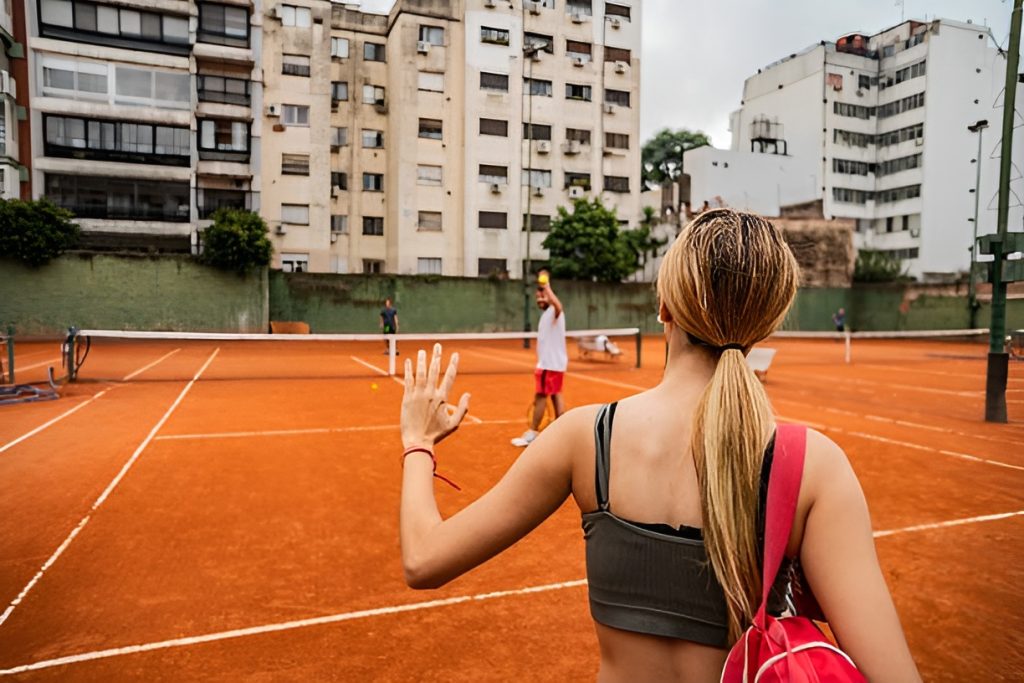
For many adults, community becomes the reason they continue participating long after their original fitness goals evolve. The fitness benefits that rec leagues provide extend far beyond exercise. Players build deep friendships, develop reliable routines, and become part of a supportive network that encourages long-term participation.
This sense of belonging is especially valuable in a city as expansive as Los Angeles. Many adults move to the area for work, education, or new opportunities. Building real social connections can take time, particularly when daily life involves long commutes and busy professional schedules. Recreational sports help bridge that gap.
Throughout West Los Angeles, the South Bay, Pasadena, and the San Fernando Valley, players join leagues not only to stay active but also to meet people who share similar interests. Over time, teammates become close friends, teams develop their own unique traditions, and seasons create shared experiences that extend far beyond the final whistle.
This sense of belonging creates powerful, organic motivation. People are far more likely to continue activities when they feel genuinely connected to the people involved. Instead of exercising because they feel they should, players participate because they look forward to being part of the team experience.
What Should You Expect During Your First Season?
One of the biggest misconceptions about fitness is that meaningful progress happens immediately. In reality, most adults experience gradual improvements that build naturally over time.
Whether you are adjusting to playing under the night lights of the Valley or managing your hydration during warmer early-season games, your first season is about finding your rhythm. It is normal to spend time adjusting to the physical activity itself, learning specific rules, developing confidence, and getting comfortable with your teammates.
Many participants discover that the first season is less about achieving a specific physical transformation and more about creating consistency. In our experience running local divisions, many players notice increased stamina, better sleep, and personal confidence long before they notice major changes in their appearance.
That observation reflects exactly what we see throughout our leagues: players begin feeling better and moving more easily before they notice visible results. As the weeks continue, participants become more comfortable with the pacing, develop stronger weekly routines, and gain confidence in their abilities.
The key is to focus entirely on participation rather than perfection.
Frequently Asked Questions About Getting in Shape by Playing Sports
Final takeaway
If you’re wondering how long it takes to get in shape playing sports, the answer is that progress often begins sooner than people expect. Many adults notice increased energy, improved endurance, and stronger fitness habits within the first few weeks of consistent participation. The exact sports fitness results timeline varies for every individual, but consistency remains one of the most important factors.
That’s why recreational sports can be so effective. Instead of relying on short bursts of isolated motivation, leagues create opportunities to stay active through community, accountability, and enjoyable experiences. Players continue showing up because they enjoy the people, the atmosphere, and the sense of belonging that develops over time.
Across our various Los Angeles divisions, we see how accountability, community, enjoyment, and structured participation help turn recreational leagues into an automatic routine. Whether you’re new to recreational sports or looking to reconnect with an active lifestyle, the right league can help you stay active, meet new people, and become part of a welcoming community.
Ready to take the next step? Contact LASportsNet to find a league that fits your goals.
Stay active and connected. Find your league. Join the community.


